





What Warranty and After-Sales Support Is Offered for Bakery Machinery?
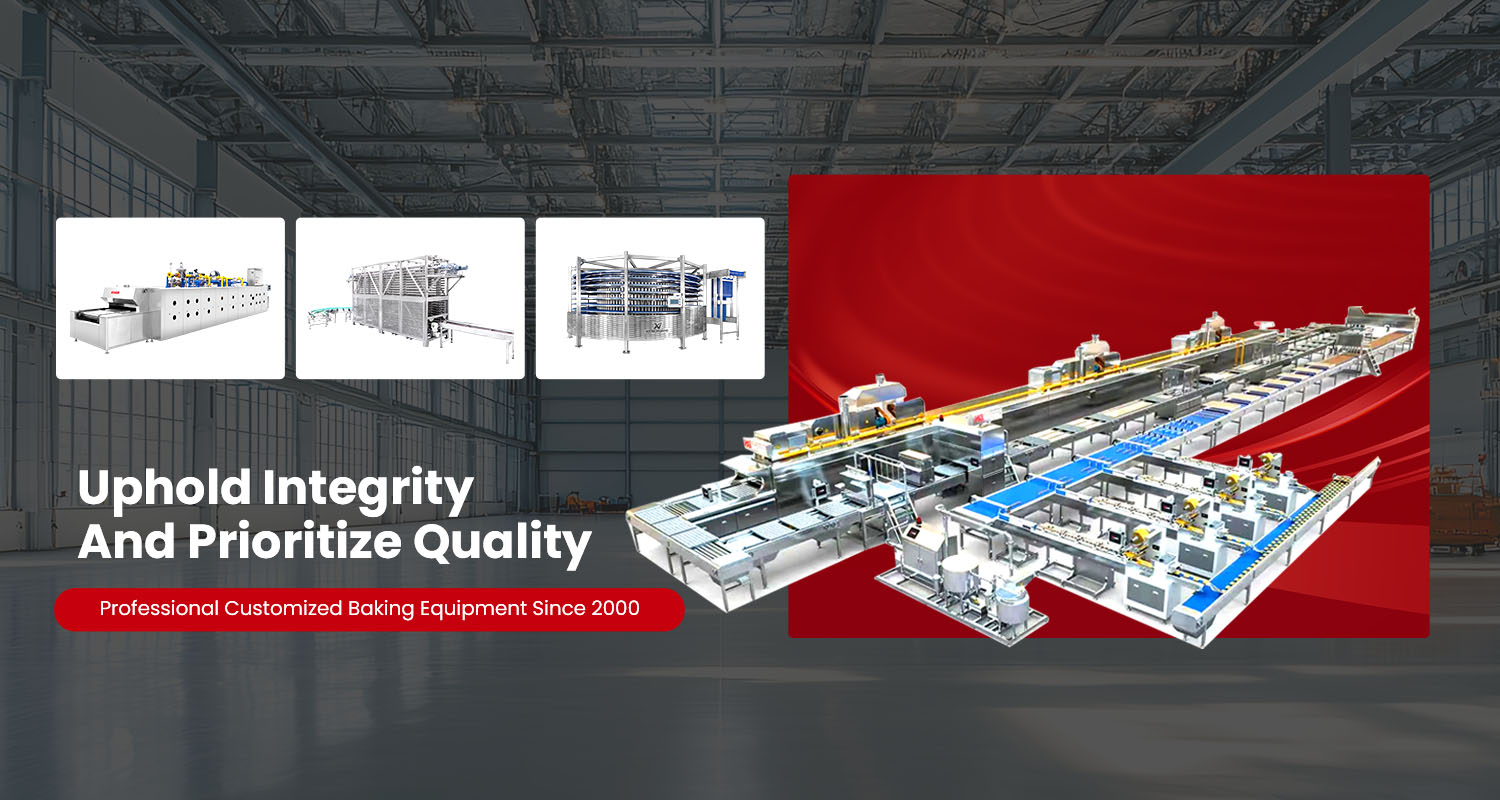
A bakery line is not judged only by output on the day it is installed. Buyers also look at how quickly problems are solved, how spare parts are handled, whether operators receive proper training, and whether the supplier can support stable production over the long term. On its official website, KC-SMART presents itself as an intelligent baking equipment manufacturer founded in 2000, with one-stop capabilities covering customized design, manufacturing, installation, debugging, and after-sales maintenance for bakery machinery. Its product range includes Dough Silo Systems, Fermentation Towers, Gas-fired Tunnel Furnaces, Depanning Machines, spiral cooling towers, and automatic sorting lines.
Warranty Means More Than a Promise on Paper
For bakery machinery, warranty coverage usually serves two goals. The first is to protect the buyer against defects related to manufacturing, assembly, and core component reliability during the agreed period. The second is to create a clear response path when a line does not perform as expected. In practical terms, buyers normally care less about a generic warranty statement and more about how a supplier handles troubleshooting, replacement parts, installation follow-up, and production recovery. KC-SMART repeatedly emphasizes lifecycle support on its website, not only machine supply, which is important for factories that depend on continuous production and cannot afford long downtime.
What Buyers Usually Expect in Bakery Machinery After-Sales Support
A strong after-sales system for bakery equipment often includes several linked services:
commissioning and debugging after installation
operator training for daily use and cleaning
maintenance guidance for wear parts and key assemblies
fault diagnosis when line performance changes
repair coordination for urgent stoppages
spare parts supply for ongoing operation
These points matter because bakery machinery is part of a process chain. If a mixer, oven, cooling tower, or sorting section stops unexpectedly, the whole production rhythm can be affected. KC-SMART states that it provides installation, debugging, and after-sales maintenance, and its company materials also describe comprehensive maintenance services intended to keep bakery equipment running smoothly and reduce downtime.
Why After-Sales Service Has a Direct Cost Impact
In bakery production, downtime is expensive because it affects labor scheduling, raw material use, order delivery, and product consistency. The manufacturer’s support system therefore becomes part of the total cost of ownership. KC-SMART highlights intelligent equipment designed to improve efficiency, reduce waste, and support smoother operation through automation. When this type of equipment is paired with responsive maintenance support, buyers gain more than a machine purchase. They gain better control over uptime, product consistency, and long-run operating stability.
What a Buyer Should Confirm Before Signing
Warranty terms vary by project, so it is wise to confirm the commercial details before placing an order. A serious bakery machinery supplier should define what is included, what is excluded, and how service is delivered. The most useful questions are not broad questions. They are operational questions tied to the actual line.
| Support Item | What Buyers Should Confirm |
|---|---|
| Warranty scope | Which parts and assemblies are covered |
| Warranty period | When coverage starts after shipment or commissioning |
| Technical response | How faults are reported and how support is delivered |
| Spare parts | Which parts are recommended as stock for fast replacement |
| Installation support | Whether on-site setup and debugging are included |
| Training | Whether operators and maintenance staff receive guidance |
| Service limits | Which consumables and misuse cases are excluded |
This table reflects normal industrial procurement logic, and it fits well with KC-SMART’s one-stop service positioning, especially for customers buying integrated lines rather than single standalone machines.
KC-SMART’s Strength in Support-Oriented Supply
KC-SMART’s website does not present itself as a simple equipment catalog. It positions the company around integrated bakery solutions. That matters because after-sales quality often depends on whether the supplier understands the whole line, not just one machine. A supplier handling design, manufacturing, installation, debugging, and maintenance can usually trace issues faster across linked sections such as dough handling, proofing, baking, cooling, and sorting. KC-SMART also describes professional customized baking solution services tailored to actual production requirements, which is especially relevant when customers are customizing bakery equipment for plant layout, product type, or automation level.
Signs of Reliable After-Sales Capability
When evaluating bakery machinery support, buyers should look for evidence of process depth rather than sales language alone. Useful indicators include:
Product breadth A supplier supporting multiple equipment categories often has broader process knowledge across the line. KC-SMART lists core systems from dough preparation to cooling and sorting.
Lifecycle service language Repeated references to installation, debugging, and maintenance usually indicate that service is built into the business model, not treated as an extra. KC-SMART uses this language consistently across its company and product pages.
Operational focus on downtime The company’s news content specifically mentions prompt support, urgent repairs, and minimizing downtime, which are exactly the issues industrial buyers care about after startup.
A Practical Way to Compare Suppliers
Instead of asking only, “What is your warranty?” buyers get better answers by asking for a support workflow. Ask who handles installation, who provides remote diagnosis, what spare parts are recommended for the first year, how quickly technical feedback is given, and what training documents are supplied. A capable manufacturer should be able to explain the full chain clearly. Based on its website, KC-SMART’s advantage is that it combines equipment supply with installation, debugging, and maintenance support, which is the structure many industrial bakeries prefer when they want fewer coordination gaps after purchase.
Conclusion
Warranty for bakery machinery should be viewed as part of a larger support system. The real value lies in how the supplier helps protect uptime, train operators, manage spare parts, and solve faults quickly. KC-SMART presents clear strengths in this area through its one-stop approach, broad bakery equipment range, and stated focus on installation, debugging, and after-sales maintenance. For buyers comparing bakery machinery suppliers, that combination can make a major difference in long-term production stability and service confidence.