





How to Troubleshoot Common Bakery Equipment Issues?
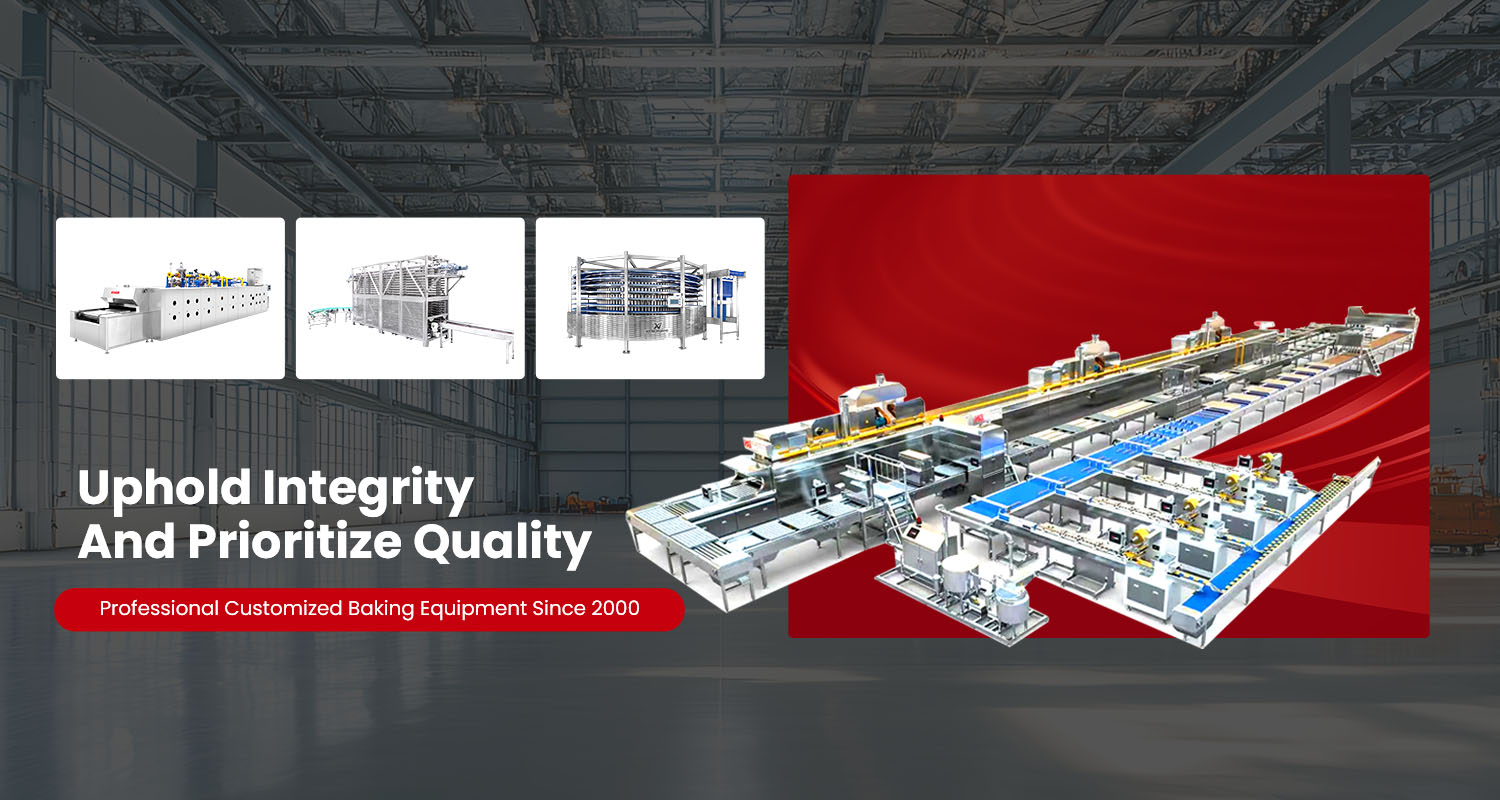
Stable output in a commercial bakery depends on more than one machine running well. Problems often begin as small signs such as uneven color, sticky product release, slow cooling, conveyor drift, or repeated alarms. When those signs are ignored, they can turn into lost batches, extra labor, and line stoppages. KC-SMART has focused on intelligent baking equipment since 2000 and offers one-stop support covering design, manufacturing, installation, debugging, and after-sales maintenance. Its factory covers more than 10,000 square meters, and its product range includes Dough Silo Systems, Fermentation Towers, Gas-fired Tunnel Furnaces, Depanning Machines, spiral cooling towers, sorting lines, and related supporting equipment. That full-line capability matters because bakery equipment faults are often connected across the whole process rather than limited to one machine.
Start with the Symptom Before Adjusting Settings
A common mistake in bakery troubleshooting is changing temperature, speed, or time too quickly. That may hide the real issue for a short period, but it usually creates another one later. A better method is to define the symptom first. Ask whether the problem is related to heat, airflow, transport, release, cooling, or control accuracy. KC-SMART highlights the same logic in its industrial oven guidance by separating issues into product quality, heat supply, airflow, and transport or control faults.
For example, pale crust usually points to low actual heat, poor dwell time, or unstable loading. Burnt edges with weak centers often suggest airflow imbalance or poor zone matching. Random variation across the belt often comes from conveyor instability or non-uniform product distribution. When the symptom is clearly identified, maintenance teams can move faster and avoid unnecessary shutdowns.
Common Issues and First Checks
| Equipment area | Common symptom | Likely cause | First check |
|---|---|---|---|
| Tunnel oven | Uneven baking color | Blocked airflow, dirty fan, leaking seal | Inspect air passages, fans, and door sealing |
| Tunnel oven | Underbaked center | Low actual heat, short dwell time | Verify sensor reading and belt speed |
| Gas heating system | Burner alarm or unstable flame | Gas pressure fluctuation, dirty nozzle, sensing fault | Check pressure, ignition parts, exhaust path |
| Conveyor section | Irregular baking time | Belt drift, vibration, spacing inconsistency | Review tracking, speed, and product spacing |
| Cooling section | Product surface condensation | Inadequate airflow or overloaded cooling path | Check tower load and airflow balance |
| Depanning section | Product sticking or breakage | Timing mismatch, suction or release issue | Inspect synchronization and contact condition |
This table reflects the fault patterns KC-SMART describes for industrial bakery ovens and continuous production lines, especially the link between airflow, combustion, transport, and control accuracy.
Oven Problems Usually Begin with Airflow and Heat Stability
Industrial bakery ovens are often blamed first, and in many cases that is correct. Uneven baking is one of the most common complaints in continuous production. KC-SMART notes that blocked ducts, dirty circulation fans, worn seals, and heat loss around doors can disturb internal heat movement and cause darker corners, lighter centers, or inconsistent results between shifts. Before changing the recipe or raising the setpoint, inspect the airflow path and compare actual zone temperature with controller readings.
Slow temperature recovery after loading is another frequent issue. In that case, the root cause is often weak thermal retention, excessive door opening time, burner inefficiency, or excessive moisture entering the chamber. In a gas-fired tunnel furnace, zone coordination, combustion stability, and conveyor pace must work together. KC-SMART states that its centralized air supply gas-fired tunnel oven supports intelligent ignition, residual gas exhaust, flame failure detection, and pressure monitoring, with customization based on production capacity. These features are valuable because long continuous runs demand stable combustion and safer control.
Conveyor and Transfer Faults Can Look Like Baking Faults
Some bakery managers adjust oven settings when the real problem is mechanical transport. If products enter the oven at irregular intervals, drift to one side, or vibrate during travel, the baking result will still be inconsistent even when the heating system is working normally. KC-SMART specifically points out that conveyor speed drift, poor belt tracking, and repeated jams at transfer points can change final bake quality by altering dwell time and product position.
This is one reason integrated line planning is so important. KC-SMART supplies not only ovens, but also depanning machines, spiral cooling towers, automatic sorting lines, and other supporting equipment. When upstream and downstream systems are designed to work together, bakeries face fewer mismatch issues during expansion, line balancing, and product changeovers.
Cooling, Depanning, and Sorting Need Routine Verification
Bakery faults do not end when product leaves the oven. Poor cooling flow can trap heat, create surface condensation, and affect downstream packing quality. Depanning problems can damage product shape, slow line speed, and increase waste. Sorting issues can also create backup pressure that affects the whole production rhythm. Since KC-SMART builds equipment for cooling, depanning, and automatic sorting in addition to baking, it is better positioned to support line-level troubleshooting rather than isolated machine repair.
A practical routine should include cleaning contact surfaces, confirming release timing, checking tower load balance, monitoring transfer points, and recording repeated jams by product type. These checks are simple, but in high-volume production they prevent many avoidable interruptions.
Do Not Ignore Sensor Drift and Control History
Modern bakery equipment depends heavily on sensors and controls. KC-SMART recommends scheduled calibration, comparison between displayed values and measured values, alarm history review by shift, inspection of wiring and terminals, and trend logging for recurring faults. This is especially important because temperature probe drift can make operators chase the wrong parameter for hours.
The teams that solve problems fastest are usually the ones that document them well. Record the time, product type, zone, line speed, operator shift, and visible symptom. Over time, this turns maintenance from reactive repair into preventive control.
Why KC-SMART Is a Strong Partner for Troubleshooting
KC-SMART was founded in 2000 and presents itself as a high-tech enterprise focused on one-stop intelligent baking equipment solutions. Its support scope includes customized design, manufacturing, installation, debugging, and after-sales service. With products covering fermentation, oven baking, depanning, cooling, sorting, and support equipment, the company can help bakeries diagnose problems from a full-process perspective instead of treating each fault as a separate event.
Conclusion
Troubleshooting common bakery equipment issues becomes much more effective when teams focus on symptoms first, inspect airflow and heat transfer carefully, verify conveyor stability, and keep control data accurate. Fast fixes may restore output temporarily, but systematic diagnosis protects consistency, yield, and maintenance efficiency over the long term. KC-SMART brings value through integrated baking equipment, customized capacity planning, and one-stop technical support across the full bakery line. For bakeries aiming to reduce downtime and maintain more stable production, that line-level approach is a practical advantage.
Previous:
Next: What Are the Key Components of an Automatic Sorting Line?