





Why Is Dough Fermentation Inconsistent?
Uneven dough performance is one of the most common challenges in modern baking production. Even when recipes remain unchanged, variations in texture, volume, and internal structure can appear between batches. These inconsistencies often originate from subtle process deviations rather than obvious equipment failure. Understanding how to maintain stable dough fermentation consistency is essential for achieving predictable output and reducing waste.
According to research published by the American Society of Baking, variations in fermentation conditions can lead to up to 15 percent fluctuation in final product volume and structure. This level of deviation directly affects product quality, shelf life, and customer acceptance, making fermentation control a critical factor in overall production stability.
Key factors that cause fermentation inconsistency
Raw material variability
Flour quality, protein content, and moisture level influence how dough behaves during fermentation. Even small differences in flour batches can change water absorption and gluten development. When ingredient dosing is not tightly controlled, the fermentation stage becomes unpredictable. A stable feeding system is the foundation of a controlled industrial dough process, ensuring that each batch enters fermentation under the same baseline conditions.
Temperature and humidity fluctuations
Fermentation is highly sensitive to environmental conditions. Yeast activity accelerates with higher temperatures and slows when conditions drop below optimal ranges. Inconsistent humidity can also affect dough surface drying, which impacts expansion and gas retention.
In traditional setups, environmental control is often limited to static proofing rooms. However, modern bakery fermentation system designs rely on continuous flow and controlled environments to reduce these fluctuations and maintain consistent conditions throughout the process.
Unstable process timing
Fermentation is not only about time but also about movement. If dough pieces arrive too early or too late at the next stage, proofing results will vary. Manual transfer or poorly synchronized equipment often leads to irregular dwell time, causing some batches to be under-proofed while others become over-proofed.
Equipment mismatch across the line
When upstream and downstream equipment are not aligned, fermentation becomes difficult to control. For example, inconsistent dough feeding can disrupt fermentation rhythm, while bottlenecks after proofing can extend dwell time unintentionally. This lack of synchronization is a major reason why many factories struggle to maintain stable fermentation results.
How to fix uneven dough fermentation
To fix uneven dough fermentation, the focus should shift from isolated adjustments to system-level optimization.
Standardize ingredient handling
Consistent flour storage, dosing, and mixing create a stable starting point for fermentation. Automated dough handling systems help reduce variation caused by manual measurement and inconsistent mixing cycles.
Maintain controlled fermentation conditions
Temperature and humidity should be managed as part of a continuous system rather than isolated zones. Equipment that provides uniform airflow and controlled environmental parameters can significantly reduce variation across batches.
Improve process synchronization
Production flow should be designed so that dough moves through each stage at a consistent rhythm. This requires coordination between mixing, fermentation, baking, and cooling sections. When timing is stable, fermentation results become more predictable.
Upgrade to continuous fermentation systems
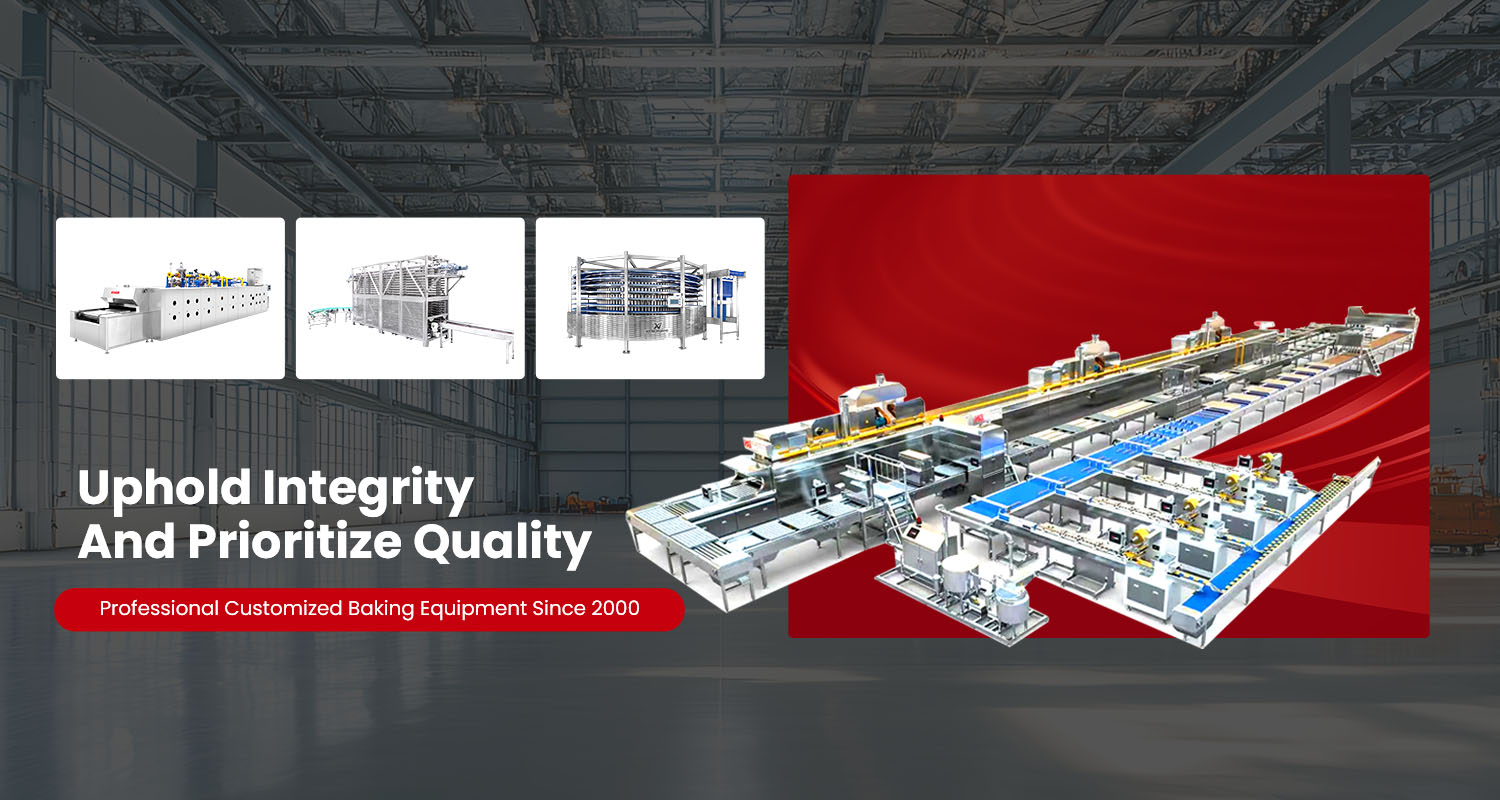
One of the most effective ways to improve dough proofing quality is to replace static fermentation with continuous conveying systems. KC-SMART offers solutions such as the Spiral Conveying Fermentation Tower, which allows dough to move through a controlled environment with consistent dwell time and uniform conditions.
This type of system reduces manual handling, minimizes environmental fluctuation, and ensures that each batch experiences the same fermentation path. The result is improved uniformity and higher production reliability.
The role of equipment design in fermentation stability
Fermentation consistency depends not only on process parameters but also on equipment structure. Systems that support smooth product transfer, stable airflow, and precise timing contribute to better control across the entire line.
KC-SMART integrates fermentation solutions with upstream dough handling and downstream baking equipment. This integrated approach helps eliminate common mismatches between stages, allowing the entire line to operate as a coordinated system rather than separate units.
Industry data from the European Bakery Association indicates that integrated fermentation systems can improve product consistency by more than 20 percent compared to traditional batch proofing methods. This highlights the importance of system design in achieving stable production results.
A system approach to consistent fermentation
Inconsistent fermentation is rarely caused by a single issue. It is usually the result of combined factors including raw material variation, environmental instability, timing mismatch, and equipment limitations. Addressing these challenges requires a holistic view of the production line.
By adopting controlled feeding systems, continuous fermentation technology, and synchronized production flow, bakeries can significantly improve stability and reduce variation. KC-SMART’s focus on integrated solutions supports this approach, helping manufacturers move toward more efficient and predictable production outcomes.
Stable fermentation is not only about controlling yeast activity. It is about building a system where every stage supports the next, creating a reliable process that delivers consistent quality at scale.
Previous: