





What Affects Bread Baking Quality Most?
Bread quality is determined long before the product reaches the oven, yet baking remains the most critical stage where all previous variables come together. Variations in color, texture, crust formation, and internal structure often appear at this point. For manufacturers aiming at stable output, mastering bread baking quality control is essential to ensure every batch meets the same standard.
According to data from the American Institute of Baking, temperature variation as small as 5°C inside an oven can lead to noticeable differences in crust color and crumb structure. This highlights how sensitive the baking stage is and why precise control is required to achieve consistent results.
The most critical factors affecting baking quality
Temperature distribution inside the oven
Uniform heat is the foundation of stable baking. Uneven heat zones cause inconsistent browning, irregular crust thickness, and variation in moisture loss. Maintaining a stable tunnel oven temperature across the entire baking chamber ensures that each product receives the same thermal exposure.
Modern tunnel ovens are designed with multi-zone heating control, allowing operators to adjust temperature profiles along different sections. This enables better management of initial rise, crust setting, and final moisture evaporation.
Baking time and line speed
Baking time is directly linked to conveyor speed in continuous production. If the line moves too fast, products may remain under-baked internally. If it moves too slowly, excessive moisture loss can lead to dryness and over-hard crust.
Achieving strong baking process stability requires synchronizing oven speed with upstream fermentation and downstream cooling. A mismatch in timing can disrupt product quality even if temperature settings are correct.
Dough condition before baking
The baking stage cannot compensate for poor dough preparation. Variations in fermentation level, moisture content, and dough structure directly affect how heat interacts with the product. Over-proofed dough may collapse during baking, while under-proofed dough may produce dense texture.
Consistent dough preparation ensures that baking conditions can be applied uniformly, leading to predictable results across batches.
Airflow and heat transfer efficiency
Air circulation inside the oven plays a key role in heat transfer. Proper airflow ensures even heat distribution and consistent moisture removal. Poor airflow can create hot spots or cold zones, leading to uneven baking results.
Advanced tunnel ovens integrate controlled airflow systems to improve thermal efficiency and ensure stable baking performance throughout the production cycle.
Equipment integration across the line
Baking quality is closely connected to upstream and downstream processes. If products enter the oven at inconsistent intervals or exit into a congested cooling stage, the overall process becomes unstable. A well-integrated system helps maintain consistent product flow, which is essential to improve bread baking consistency.
Practical ways to improve baking performance
Optimize temperature control systems
Accurate sensors and multi-zone control allow operators to control industrial baking temperature more precisely. Regular calibration of temperature systems helps maintain stable oven conditions and reduces variation over time.
Standardize production rhythm
Stable input and output flow reduce fluctuations in baking conditions. When dough pieces enter the oven at consistent intervals, heat exposure becomes more uniform, improving overall product consistency.
Use energy-efficient oven design
Energy efficiency and baking performance are closely related. Research from Lawrence Berkeley National Laboratory indicates that optimized oven systems can significantly reduce energy consumption while maintaining or improving product quality. Efficient heat utilization ensures stable baking without excessive energy loss.
Maintain equipment regularly
Wear and tear in heating elements, conveyors, and airflow systems can gradually reduce performance. Preventive maintenance ensures that the oven continues to operate within its designed parameters, supporting consistent output.
The role of advanced equipment in baking quality
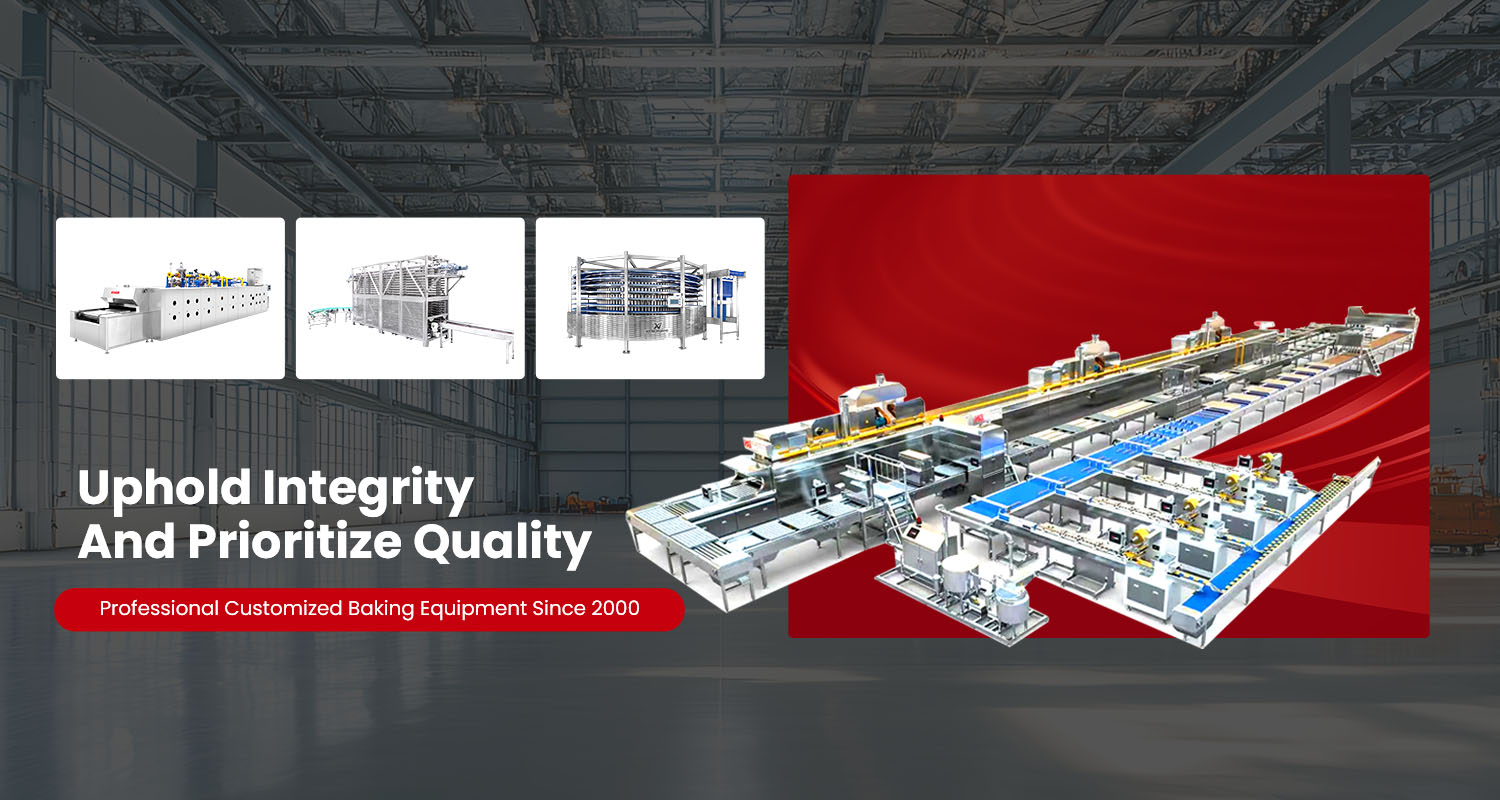
Modern baking production relies on integrated systems rather than standalone machines. KC-SMART focuses on providing coordinated solutions that connect fermentation, baking, cooling, and handling into a continuous process. Its Gas-fired Tunnel Furnaces are designed to deliver stable heat distribution and precise control across the baking stage, supporting consistent product results.
By combining controlled temperature zones, synchronized line speed, and integrated production flow, manufacturers can achieve higher efficiency and better product uniformity. This system-based approach reduces variability and enhances overall production performance.
Building consistency through process control
Bread baking quality is influenced by multiple interconnected factors, including temperature, timing, dough condition, airflow, and system integration. No single adjustment can solve all issues. Instead, consistent results come from aligning every stage of production into a stable and controlled process.
When temperature is accurately managed, line speed is synchronized, and equipment works as a unified system, baking becomes predictable. This level of control allows manufacturers to maintain high standards, reduce waste, and deliver reliable product quality across large-scale production.