





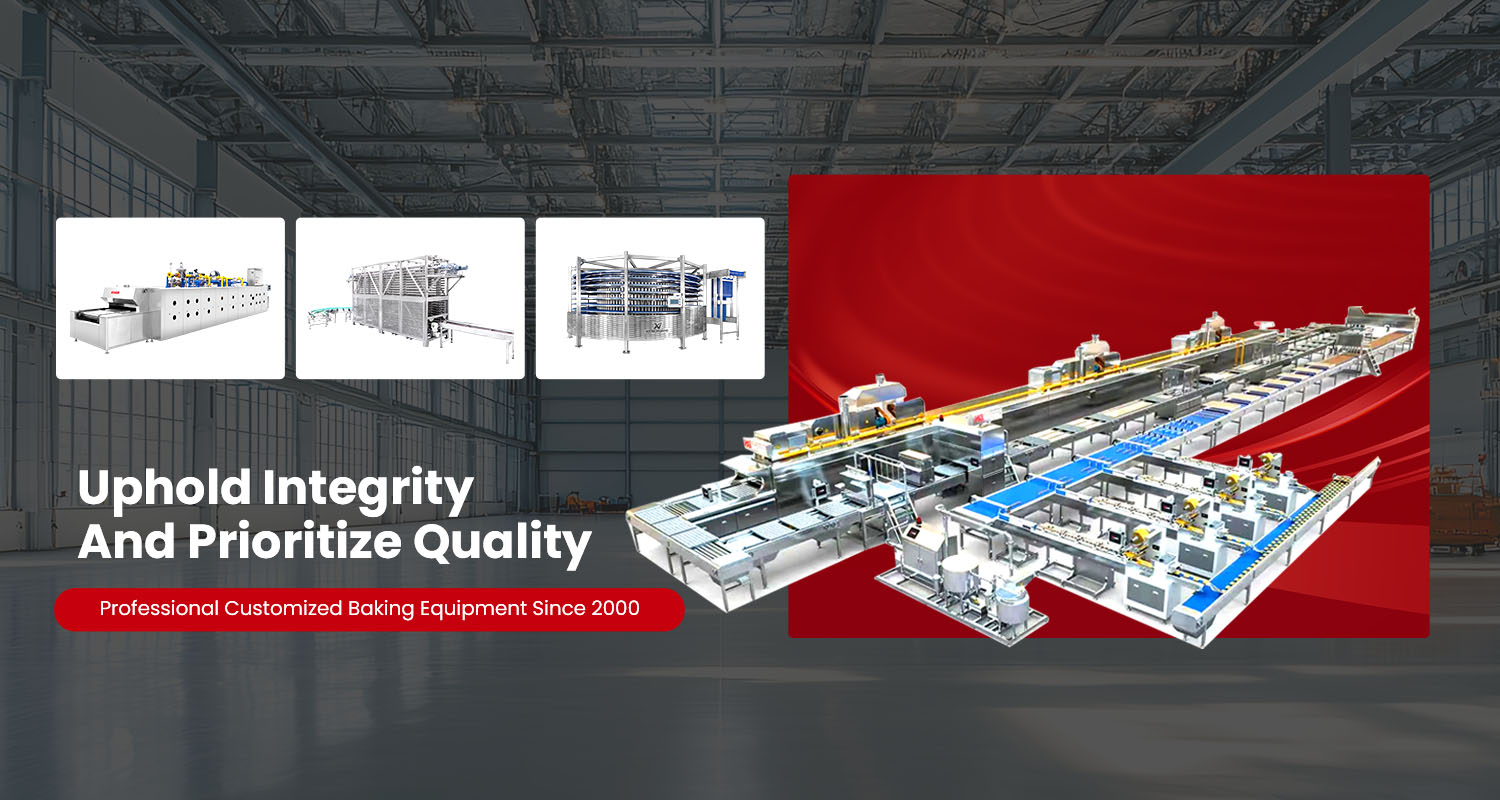
Why Is System Integration Critical in Factories?
Modern factories no longer operate as isolated machines placed in sequence. True efficiency comes from how well each process communicates, responds, and adapts to the next. production system integration connects equipment, control systems, and data flow into one coordinated structure, allowing factories to operate with higher precision and lower operational friction.
According to data from the International Federation of Robotics, factories that adopt integrated automation systems can improve overall equipment effectiveness by more than 25 percent while reducing unplanned downtime significantly. This shift shows that integration is not a trend, but a core requirement for competitive manufacturing.
From standalone machines to connected systems
Traditional production lines often grow step by step. New machines are added as demand increases, but without unified planning, these machines operate independently. This leads to inefficiencies such as speed mismatch, product accumulation, and inconsistent quality.
A connected system transforms isolated processes into a continuous workflow. Each machine shares operational signals, allowing adjustments in real time. This is especially important when factories need to integrate bakery production systems where timing between mixing, baking, cooling, and packing must be precisely aligned.
The role of industrial automation integration
industrial automation integration ensures that equipment is not only physically connected but also logically coordinated. Control systems monitor production status and adjust parameters automatically to maintain balance across the line.
Key functions of automation integration include:
Synchronizing equipment speed across different stages
Monitoring production data in real time
Reducing manual intervention and response delay
Enabling centralized control of multiple machines
In large-scale production environments, this level of coordination allows factories to maintain consistent output even during long production cycles.
Why factory system compatibility matters
factory system compatibility determines whether different machines can communicate and operate efficiently within the same production environment. Without compatibility, integration becomes complex and costly.
Compatibility involves:
Unified control protocols
Standardized electrical and communication interfaces
Matching production capacities between machines
Flexible software systems that support future upgrades
When compatibility is considered early in planning, factories can expand or modify production lines without disrupting existing operations.
improve line synchronization efficiency
One of the biggest challenges in manufacturing is maintaining consistent speed across all production stages. To improve line synchronization efficiency, factories must ensure that upstream and downstream processes operate at compatible rates.
Common synchronization challenges:
| Issue | Impact |
|---|---|
| Faster upstream production | Product accumulation and congestion |
| Slower downstream processing | Production delays |
| Inconsistent transfer speed | Product damage or misalignment |
| Manual adjustment delays | Reduced overall efficiency |
Integrated systems solve these issues by automatically adjusting machine speed and coordinating transitions between stages.
Application in bakery production lines
In bakery manufacturing, synchronization is critical due to the time-sensitive nature of dough, baking, and cooling processes. A delay in one stage can affect product quality across the entire batch.
The Bread Automatic Sorting Line is an example of how integration improves efficiency in later production stages. After baking and cooling, products must be sorted and directed toward packaging without interruption. When sorting equipment is integrated with upstream conveyors and downstream packing systems, the flow becomes stable and predictable.
This reduces manual handling and ensures that products move through the system in an organized manner.
Data-driven decision making
Integrated systems allow factories to collect and analyze production data in real time. This data supports better decision making and continuous improvement.
Important data points include:
Machine operating speed
Production output per hour
Downtime and maintenance frequency
Product quality consistency
By analyzing these metrics, factories can identify inefficiencies and adjust processes quickly. Industry reports show that data-driven manufacturing can improve productivity by up to 20 percent through better process control and predictive maintenance.
Reducing operational risks
Lack of integration increases the risk of production interruptions, product defects, and safety issues. Manual coordination between machines is often slower and less reliable.
Integration reduces risks by:
Automating process adjustments
Minimizing human error
Ensuring stable communication between machines
Supporting consistent product handling
For food production environments, integrated systems also support compliance with food safety standards by maintaining controlled and traceable processes.
Supporting scalable factory growth
Factories aiming to expand production need systems that can grow without major redesign. Integration makes scaling more manageable by creating a flexible structure.
Scalability benefits include:
Easier addition of new equipment
Faster production line upgrades
Reduced need for reconfiguration
Better long-term investment efficiency
KC-SMART focuses on designing integrated bakery production solutions that allow customers to expand capacity while maintaining system stability.
Conclusion
System integration is a fundamental element of modern manufacturing. It connects machines, processes, and data into a unified operation that improves efficiency, consistency, and scalability.
By adopting integrated solutions, factories can reduce operational complexity and achieve better production performance. KC-SMART provides integrated bakery equipment systems that help manufacturers build synchronized, efficient, and future-ready production lines.