





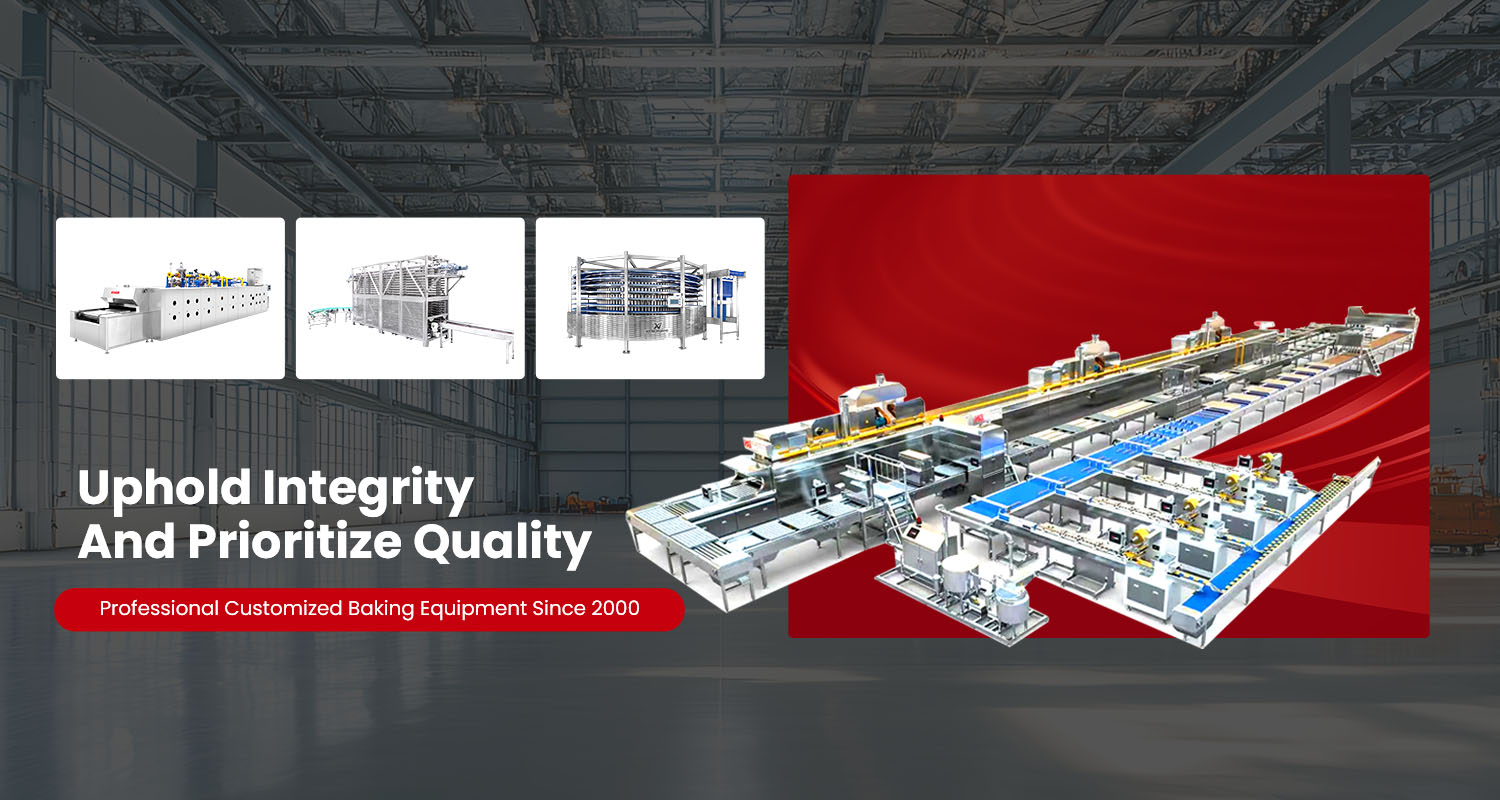
How To Select Tunnel Oven for Bakery?
Choosing the right equipment is a critical step for any commercial bakery aiming to scale production without compromising quality. A tunnel oven for bakery operations represents a significant investment that directly affects throughput, energy consumption, product consistency, and operational safety. For baking businesses looking to modernize or expand, understanding the technical factors and long‑term returns associated with industrial baking ovens is essential.
In this article, we outline key criteria to select industrial baking oven solutions that help bakeries achieve stable output, reduced waste, and optimized energy costs while meeting diverse product specifications.
Understanding Tunnel Oven Technology
A tunnel oven functions by moving baking trays on a conveyor belt through a long, enclosed chamber where heat is applied consistently across the baking path. Unlike batch ovens, tunnel ovens provide continuous processing, which dramatically increases production capacity for high-volume products such as bread, rolls, and pastries.
One high‑efficiency option is a gas tunnel oven system, which uses gas combustion to generate heat. Gas‑fired tunnel oven models are known for uniform heat distribution and lower operational energy cost compared to some electric systems.
Key Factors When Selecting a Tunnel Oven
1. Production Capacity and Throughput
Before investing in a tunnel oven, define your bakery’s target output volume. Throughput is often measured in kilograms per hour or units per hour. For example:
| Oven Model Configuration | Conveyor Width | Approximate Output per Hour | Heat Source |
|---|---|---|---|
| Small Tunnel Oven | 800mm | 100 kg | Gas |
| Mid‑Size Tunnel Oven | 1200mm | 250 kg | Gas |
| Large Tunnel Oven | 1600mm | 450 kg | Gas |
Data referenced from industry production benchmarks indicates that increasing conveyor width can raise output by up to 35 percent for similar heat settings.
Matching oven capacity to your projected production avoids bottlenecks and ensures resources are not underutilized.
2. Energy Efficiency and Operating Costs
Energy performance has a direct impact on profitability. Gas tunnel oven systems typically achieve high thermal efficiency, with heat recovery mechanisms capturing waste heat that can pre‑warm incoming air. According to a 2025 energy efficiency report from a major bakery association, properly configured gas‑fired tunnel ovens can yield up to 18 percent lower fuel consumption compared to older batch ovens.
Consider the following when evaluating energy performance:
Insulation quality of the oven shell
Heat recovery and air recirculation systems
Burner control precision and zoning
Reducing energy use not only lowers operational costs but also improves sustainability metrics, a growing concern among commercial bakers globally.
3. Temperature Uniformity and Control
One of the most important attributes of a high‑performing industrial baking oven is temperature consistency across the baking chamber. Uneven heat can result in inconsistent texture, color, and moisture levels in finished products.
Advanced tunnel ovens include segmented heat zones with precise control for each section of the tunnel. This allows bakeries to tailor the baking profile for different products, improving quality and reducing reject rates. Measurement studies suggest that ovens with multi‑zone controls can reduce product variation by up to 22 percent versus single‑zone ovens.
4. Maintenance and Serviceability
Downtime can significantly disrupt production schedules and reduce profitability. When selecting a baking oven, prioritize models with easy access for routine maintenance, readily available spare parts, and straightforward cleaning procedures.
Preventive maintenance schedules and remote diagnostics can further reduce unexpected breakdowns. Establishing a strong service relationship with the manufacturer or distributor ensures fast support response when needed.
5. Compliance and Food Safety Standards
Tunnel ovens must comply with food safety and industrial equipment regulations in your region. Important considerations include:
Conformance to hygiene and sanitation standards
Emissions limits for gas combustion systems
Operator safety features and emergency controls
Meeting regulatory requirements not only protects your workforce but also strengthens your brand credibility with customers and business partners.
Why Choose KC‑SMART’s Tunnel Oven Solutions
At KC‑SMART, we specialize in high‑performance bakery ovens engineered for consistent results and long‑term reliability. Our industrial baking ovens combine robust construction with precision control systems, allowing bakeries to maintain uniform product quality even under demanding production environments.
Our design philosophy emphasizes:
Energy‑efficient combustion systems
Flexible modular configurations
Enhanced service accessibility
Compliance with international safety standards
We support a wide range of bakery applications, from artisan breads to high‑volume roll production, enabling operators to optimize every stage of the baking process.
Conclusion
Selecting the right tunnel oven involves careful consideration of production needs, energy costs, temperature control, maintenance, and compliance requirements. A well‑chosen system supports higher throughput, greater consistency, and improved profitability.
Investing in advanced industrial baking oven technology is a strategic step toward scaling your bakery operations with confidence and efficiency. Evaluating key performance aspects ensures that your baking line delivers dependable results over the long term.