





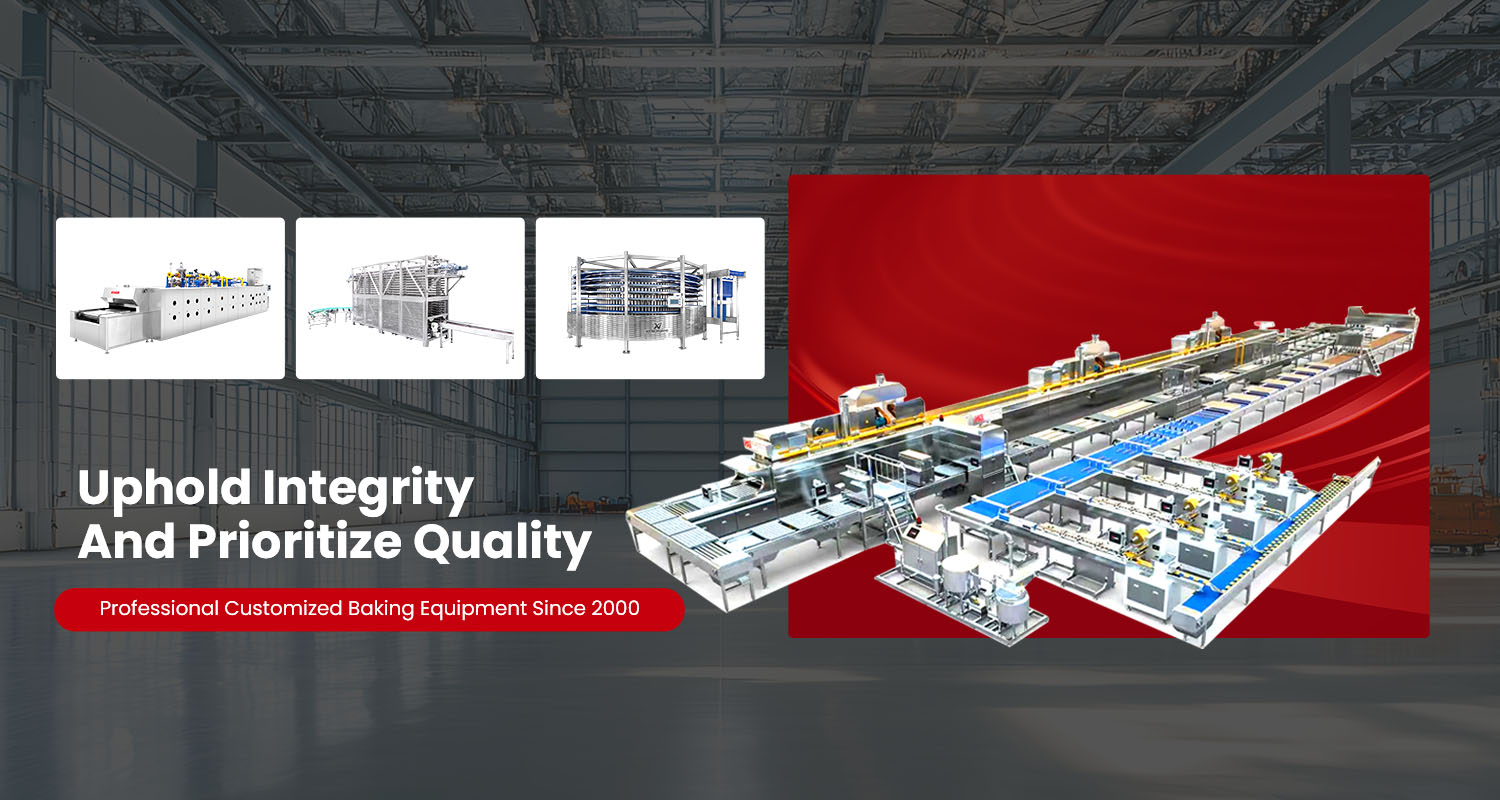
How To Choose Fermentation System?
Selecting the right fermentation system is one of the most critical decisions for bakery operations and industrial-scale food processors. An effective fermentation solution can improve product quality, reduce labor costs, and increase throughput. With global bakery product demand projected to grow at 4.2% annually through 2028 according to IbisWorld industry reports, investing in the right equipment lays the foundation for long-term efficiency and competitiveness in the market.
Understanding Fermentation System Basics
Fermentation is a biochemical process where yeast or bacteria convert sugars into carbon dioxide and other compounds. This process defines the texture, flavor, and shelf life of baked goods and other fermented foods. Commercial applications rely on controlled environments where temperature and humidity are adjusted precisely, allowing consistency across batches.
Industrial fermentation equipment broadly falls into categories such as proofing cabinets, revolving rack proofers, and automated systems. These platforms differ in capacity, energy efficiency, and level of automation. A high-performance dough fermentation system ensures uniform fermentation and supports rising demand without compromising product quality.
Assessing Production Needs
When evaluating systems, first quantify production volume and product variety. Small to mid-size facilities might prioritize modular designs that handle multiple products without large footprints. In contrast, large-scale industrial processors require systems designed for continuous operation.
Production Volume Considerations
| Production Scale | Typical Daily Output | Recommended System Type |
|---|---|---|
| Small bakery | 200–500 kilograms | Compact proofing system |
| Medium facility | 500–2,000 kilograms | Automated proofing solution |
| Large industrial plant | Over 2,000 kilograms | Integrated fermentation line |
Facilities producing over 2,000 kilograms per day benefit most from advanced control systems that manage fermentation cycles with minimal manual intervention. Industry benchmarks show that automation can reduce labor requirements by up to 30 percent while increasing consistency in fermentation results (Food Processing Technology Journal).
Key Technical Features to Evaluate
There are several technical aspects that differentiate systems:
Temperature and Humidity Control
Precise control over temperature and moisture is essential. Fluctuations can result in inconsistent dough rise, affecting texture and taste. Systems with digital sensors and feedback loops maintain tight tolerances, often within ±0.5°C for temperature and ±2% for humidity. These parameters are essential for reproducible outcomes.
Airflow and Ventilation
Even airflow distribution prevents uneven fermentation. Equipment with advanced airflow design eliminates hotspots. This results in consistent proofing across all chambers, which is particularly important for high-volume batches.
Energy Efficiency
Energy costs account for a significant portion of operational expenses. According to DOE energy consumption statistics, fermentation spaces can represent up to 18 percent of total bakery energy use. Choosing systems with energy recovery and optimized insulation lowers long-term costs.
Automation and Factory Integration
Modern facilities increasingly demand systems capable of integration with existing production lines. Advanced units offer programmable logic controllers, remote monitoring, and adaptive cycles based on real-time feedback. A proofing system with integrated automation enables synchronized production flows, reducing idle times between stages.
Integration with factory software platforms supports traceability and quality assurance. Data tracking from batch to batch facilitates compliance with food safety standards and allows process fine-tuning based on performance metrics.
Space Utilization and Layout
Physical space constraints influence the choice of system. Vertical solutions like vertical lifting fermentation machine designs maximize capacity without expanding floor area. These vertical configurations are particularly advantageous for plants with limited footprints, enabling higher throughput per square meter.
Maintenance and Serviceability
Reliable service support and straightforward maintenance are essential for minimizing downtime. Evaluate manufacturers that offer comprehensive service programs, including preventive maintenance schedules and rapid-response technical support. Ease of access to components such as fans, sensors, and heating elements simplifies routine servicing.
Material Quality and Durability
Construction materials impact longevity and hygiene. Food-grade stainless steel surfaces resist corrosion and simplify cleaning, while robust mechanical parts withstand continuous operation in industrial environments. Systems designed with hygienic principles reduce contamination risks and help meet regulatory standards in food safety.
Choosing KC-SMART for Your Fermentation Needs
When you choose bakery fermentation system solutions from KC-SMART, you gain the advantage of decades of engineering expertise tailored to industrial applications. KC-SMART designs equipment with:
Precision control systems that sustain optimal fermentation conditions
Scalable platforms suitable for both growing facilities and established high throughput operations
High energy efficiency features that reduce operational costs over time
Integration capabilities for seamless factory automation
Durable build quality using hygienic materials for easy cleaning and compliance
Manufacturers partnering with KC-SMART benefit from equipment that enhances consistency, improves productivity, and accelerates production cycles. KC-SMART’s commitment to innovation is backed by rigorous testing and ongoing support, ensuring each fermentation line operates at peak performance.
Final Considerations
Choosing the right fermentation system is a multi-dimensional decision that should align with production goals, operational workflows, and long-term business strategy. Evaluate systems based on capacity, controllability, energy efficiency, and integration potential. With a future-focused approach supported by accurate data and expert engineering, your facility can achieve robust and reliable fermentation performance that supports growth and quality standards.