





What Slows Down a Bread Production Line?
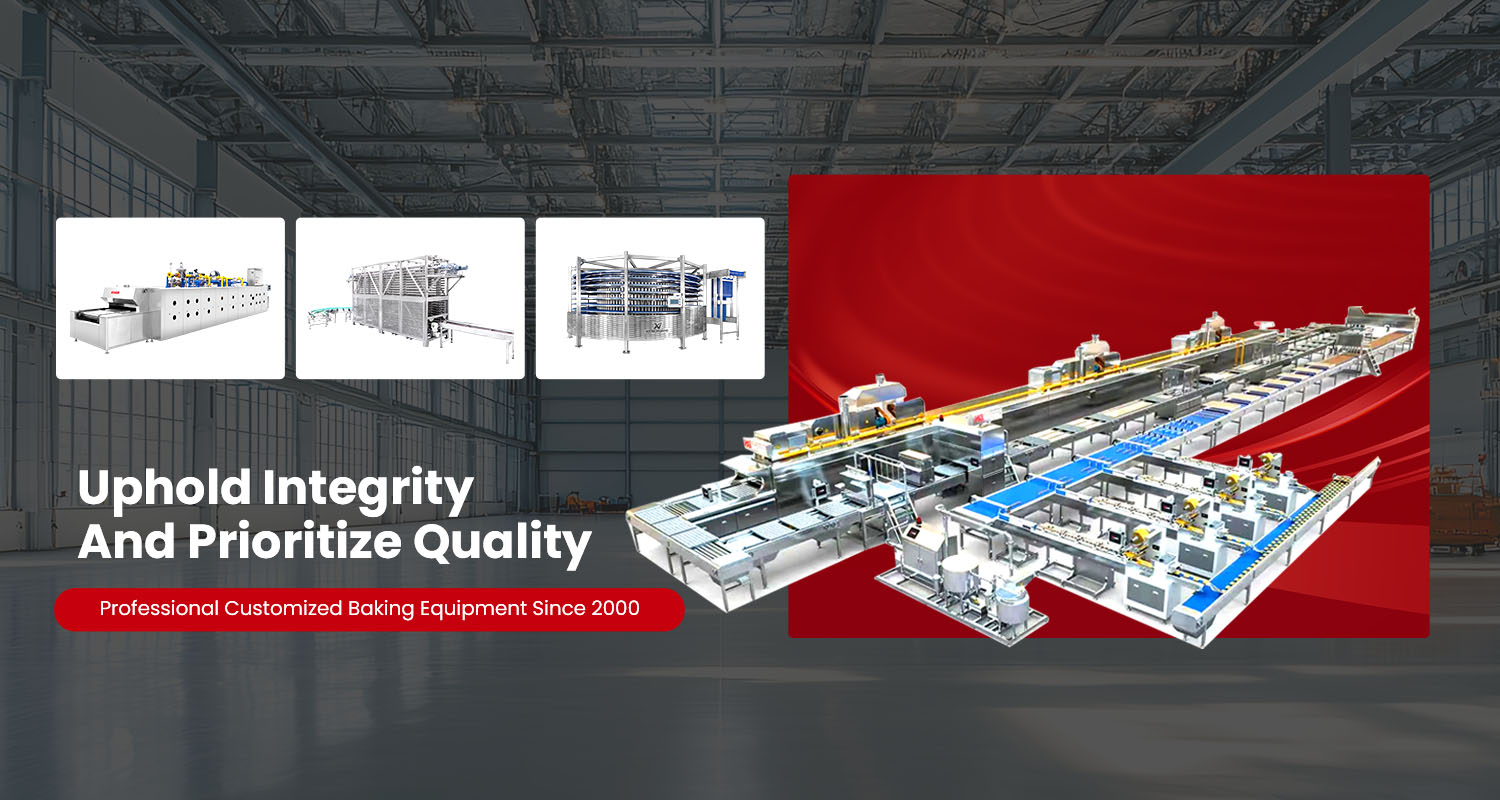
Production losses rarely come from one machine running too slowly. Delays often develop where processes connect: flour arrives late at the mixer, dough waits before forming, proofing becomes uneven, oven loading fluctuates, or warm bread reaches packaging. Effective bread production line equipment must operate as a coordinated system, because improving one section can simply move the delay to another point.
Look Beyond Rated Machine Speed
Equipment specifications usually state maximum capacity under defined conditions. Actual output is lower when the line includes cleaning, recipe changes, adjustment, minor stoppages, rejected products, and manual handling.
The most useful measurement is accepted finished output per hour. Running an oven faster provides little benefit when damaged, underbaked, or poorly cooled products are rejected later. Production data should separate total output from saleable output.
Short stops also deserve attention. A conveyor jam lasting one minute may appear insignificant, but repeated dozens of times per shift it becomes a major capacity loss. These events are often missed because operators restart the line without recording the cause.
Where Bottlenecks Usually Appear
Ingredient supply may delay mixing when flour dosing is inconsistent or materials are prepared manually. Mixing can become the restriction when recipes require long cycles or unloading takes too much time.
Proofing capacity must match the upstream forming rate and downstream oven speed. When residence time changes because products accumulate, loaf volume and texture may become inconsistent. Operators may then slow the entire line to stabilize quality.
Cooling and packaging are frequent downstream restrictions. Higher oven output increases the thermal load entering the cooler. Without enough residence time or belt area, bread reaches packaging too warm, forcing a speed reduction.
| Process area | Typical restriction | Result on the line |
|---|---|---|
| Flour dosing | Slow ingredient delivery | Mixer waits between batches |
| Mixing | Long cycle or unloading time | Forming receives uneven supply |
| Proofing | Limited holding capacity | Oven loading becomes unstable |
| Baking | Incorrect belt speed | Product quality varies |
| Depanning | Tray or product jams | Downstream flow stops |
| Cooling | Insufficient residence time | Packaging speed must decrease |
| Sorting | Product misalignment | Repeated short interruptions |
This comparison helps locate bread line production bottlenecks before investing in additional machinery.
Product Changeovers Reduce Available Time
A bakery producing many recipes may lose significant capacity during cleaning and setup. Changes in bread size can require adjustments to guides, conveyor spacing, baking settings, proofing conditions, and packaging equipment.
Changeover time should be measured from the final acceptable product of one run to the first acceptable product of the next. This exposes hidden delays caused by preparation, waiting for tools, unclear settings, or repeated trial adjustments.
Documented recipes and machine parameters allow operators to restore proven conditions faster. Accessible cleaning areas and tool-free adjustments can also shorten planned downtime.
Poor Line Balance Creates Stop-and-Start Production
Every major process should support the same required throughput. When one machine delivers products in batches and the next requires continuous flow, a buffer may be needed to absorb the difference.
Accumulation cannot correct a permanent capacity shortage, but it can protect the line from brief interruptions. Control logic should reduce upstream speed gradually where possible instead of allowing products to collide or forcing an immediate full-line stop.
Sensors and alarms need clear locations and messages. Operators should know whether a stop began at the depanner, cooling tower, sorting section, or packaging machine. General alarms make root-cause analysis difficult.
A Practical Improvement Method
Start with a process map showing output, cycle time, waiting time, rejected quantity, and stoppage frequency at each stage. Observe production across a complete shift rather than during a short demonstration. Rank losses by their effect on accepted output and address the largest recurring restriction first.
KC-SMART analyzes ingredient handling, proofing, baking, depanning, cooling, conveying, and sorting as connected stages. As an industrial bakery equipment manufacturer, we design around the required production rhythm and the transfer conditions between machines.
Higher output comes from removing repeated delays while protecting bread quality. Accurate operating records, balanced capacities, shorter changeovers, reliable transfers, and coordinated controls usually deliver more value than simply increasing the maximum speed of one machine.