





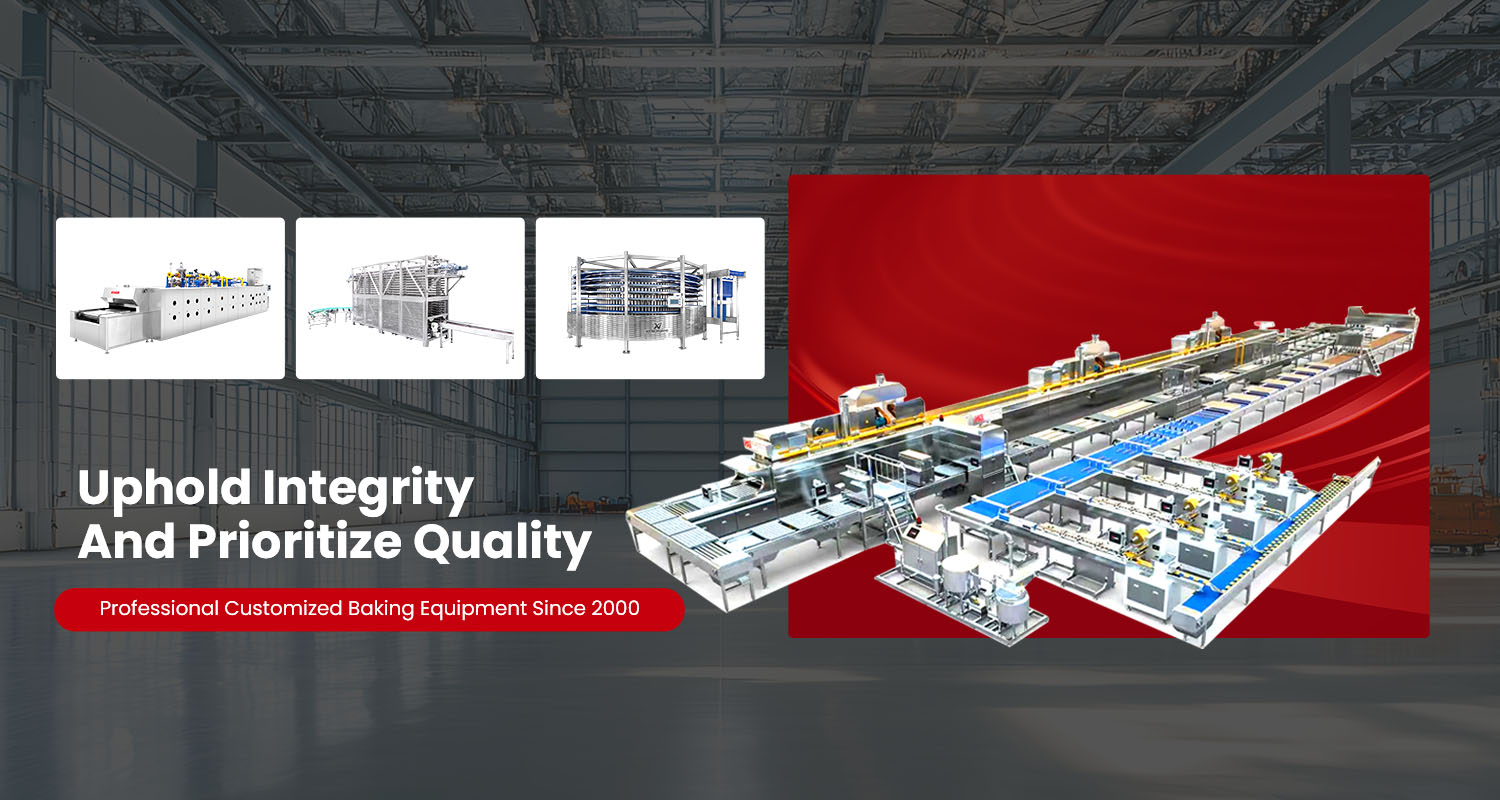
How To Choose Food Processing Equipment?
Choosing the right food processing equipment directly influences efficiency, product quality, and long-term profitability in food manufacturing. For purchasing professionals looking at industrial food machinery, understanding key selection factors and aligning them with production goals is essential. This guide outlines practical considerations and provides structured criteria to help you make informed decisions with confidence.
Understand Your Production Needs
Before selecting specific machines, start by defining your production requirements. Identify the annual output target, types of products to be manufactured, and expected production cycles. For instance, a mid-size factory producing 2,000 tons of processed bakery products annually will have vastly different equipment needs compared to a facility producing 100 tons per month. According to industry reports, automation-driven food processing lines can increase throughput by up to 40 percent and reduce labor costs by 25 percent.
Assessing these needs early on ensures that the equipment you choose supports both current output and future growth without unnecessary overspending on underutilized features.
Evaluate Equipment Performance Metrics
When comparing machinery options, performance metrics should be your priority. Important indicators include throughput rate, energy consumption, uptime reliability, and maintenance cycles. Throughput rate, measured in units per hour, is a direct reflection of a machine’s ability to meet production targets.
Energy efficiency is another quantitative metric worth considering. Recent benchmarking studies show that energy-efficient food processing equipment can reduce electricity usage by 15 to 30 percent compared to older models. Lower consumption decreases operating costs and supports sustainable production goals.
Reliability data such as Mean Time Between Failures (MTBF) and Mean Time To Repair (MTTR) are essential for industrial machinery selection. Higher MTBF values indicate better durability under continuous use, which translates to fewer production interruptions.
Design and Material Quality
Food processing equipment must comply with strict hygiene and safety standards. Machines fabricated with high-grade stainless steel resist corrosion and withstand rigorous cleaning protocols. Material quality also affects the longevity and ease of sanitation in food contact areas.
Design nuances such as seamless surfaces, accessible inspection points, and modular components contribute to both operational efficiency and compliance with food safety audits. When you prioritize robust design and premium materials, it reduces the risk of contamination and increases customer trust in the final product.
Scalability and Flexibility
Manufacturing demands evolve with market trends and product diversification. Equipment that allows for modular upgrades or flexible configuration ensures your lines remain adaptable. For example, choosing a bakery solution that supports multiple product formats without major retooling can enhance your production agility.
Consider machines that offer plug-and-play modules or standardized interfaces. This approach provides optional expansion without expensive overhauls. It also supports lean production processes, reducing changeover times and minimizing waste.
Automation and Integration
Automation plays a pivotal role in modern food processing lines. Integrating smart controls, sensors, and data-driven monitoring increases consistency while reducing operator error. Advanced systems provide real-time feedback on performance metrics such as temperature, pressure, and cycle times.
Industrial automation often includes programmable logic controllers and human-machine interfaces that can adapt to different recipes or batch sizes. The benefits include improved product uniformity and the ability to remotely monitor operations, which supports predictive maintenance and data-driven decision making.
Cost Considerations and Total Cost of Ownership
Initial purchase price is only one part of the equation. Total cost of ownership (TCO) includes installation, training, energy usage, downtime, maintenance, and spare parts expenditures over the lifespan of the equipment. A machine with a higher upfront cost but significantly lower operating expenses and longer lifecycle may deliver better value than a lower-cost alternative.
To assess TCO, create a comparative table that includes purchase price, estimated energy usage per year, maintenance frequency, and expected service life. For example:
| Criteria | Model A | Model B | Model C |
|---|---|---|---|
| Purchase Price | 150,000 | 185,000 | 170,000 |
| Annual Energy Cost | 35,000 | 28,000 | 30,000 |
| Maintenance Frequency per Year | 4 | 2 | 3 |
| Expected Service Life (Years) | 10 | 15 | 12 |
This structured comparison helps quantify long-term financial implications, enabling you to make decisions based on both performance and financial impact.
Supplier Support and After-Sales Service
Selecting a supplier with strong after-sales support improves equipment uptime and operational confidence. Key services to evaluate include:
Installation supervision by certified engineers
Operator training programs at your facility
Availability of spare parts inventory
Remote diagnostics and scheduled maintenance visits
A strong support network minimizes disruptions and accelerates troubleshooting when issues arise. Suppliers who invest in customer success help ensure your production equipment delivers reliable performance throughout its lifecycle.
Compliance with Industry Standards
Food processing machinery must conform to international and local standards to ensure food safety and worker protection. Regulatory frameworks such as Good Manufacturing Practices and relevant machinery safety certifications are critical. Machines that meet these standards reduce regulatory risk and strengthen market access for your products.
Review compliance documentation such as sanitation certificates, safety test reports, and quality assurance audits before finalizing your purchase. This due diligence demonstrates a commitment to quality and regulatory adherence across your production processes.
Conclusion
Selecting the right food processing equipment involves a multifaceted assessment of performance metrics, material quality, scalability, automation capabilities, and long-term financial impact. By considering these elements and aligning them with your operational goals, you can build a production line that is efficient, reliable, and future-ready. A thoughtful approach to industrial machinery selection and a comprehensive production equipment guide ensures that your operations stay competitive and deliver consistent value over time.