





How to Improve Equipment Maintenance Efficiency?
Maintenance performance is not measured only by post-failure response speed. Better results come from preventing faults, preparing parts and information, and restoring production safely. Equipment maintenance efficiency improves when inspection, lubrication, records, operator feedback, and spare-parts control follow a process.
Rank Equipment by Production Risk
Components do not need equal priority. A drive that stops a tunnel oven requires a different strategy from a noncritical indicator. Rank assets by safety impact, food risk, production loss, repair time, and parts availability.
Critical items may include burners, drives, lifting mechanisms, cooling fans, sensors, and transfer controls. Ranking directs maintenance time toward production consequences.
Build a Clear Inspection Calendar
An industrial maintenance system should define daily, weekly, monthly, and annual work. Daily checks may cover sound, belt tracking, leaks, guards, alarms, and cleanliness. Longer intervals can include calibration, alignment, electrical checks, burner service, lubrication, and wear-part replacement.
Each task should state the inspection point, acceptable condition, shutdown method, responsible role, and record location. Vague instructions do not produce repeatable results.
Use Operator Feedback
Operators may notice vibration, noise, temperature variation, slow response, misalignment, or repeated alarms before a fault develops. Their role should cover safe observation, cleaning, and basic checks rather than unauthorized repair. An escalation standard should define when to continue, slow, or stop.
Prepare Repairs Before Shutdown
An efficient machine upkeep process starts before shutdown. Confirm the fault description, tools, parts, access needs, permits, lockout steps, and expected repair time.
After repair, verify alignment, guarding, sensor response, empty running, loaded running, and product quality. Equipment that starts but cannot maintain output is not fully restored.
Control Spare Parts by Criticality
Keeping every part in stock costs more, but waiting for a critical part extends downtime. Consider failure probability, lead time, interchangeability, storage life, and production impact.
Useful spare-part groups include:
Critical parts that can stop the line
Wear parts changed at planned intervals
Long-lead customized components
Repairable items returned to stock after service
Labels and fixed locations reduce search time during shutdowns.
Use Records to Prevent Repeat Failures
Work orders should record symptoms, root cause, corrective action, parts, labor time, and test results. Repeated faults may indicate poor alignment, contamination, incorrect operation, or an unresolved upstream issue.
Teams working to improve bakery equipment maintenance should review frequent failures separately from long repair events. Frequency reveals chronic loss, while duration shows weak preparation, access, or spare-parts control.
| Maintenance measure | What it reveals | Desired direction |
|---|---|---|
| Planned versus emergency work | Preventive discipline | More planned work |
| Repeat fault rate | Repair effectiveness | Fewer repeated faults |
| Average repair duration | Preparation quality | Shorter controlled repairs |
| Critical spare availability | Recovery readiness | Better coverage |
The aim to reduce machine downtime should not encourage rushed work. Controlled inspection and testing protect longer operating periods.
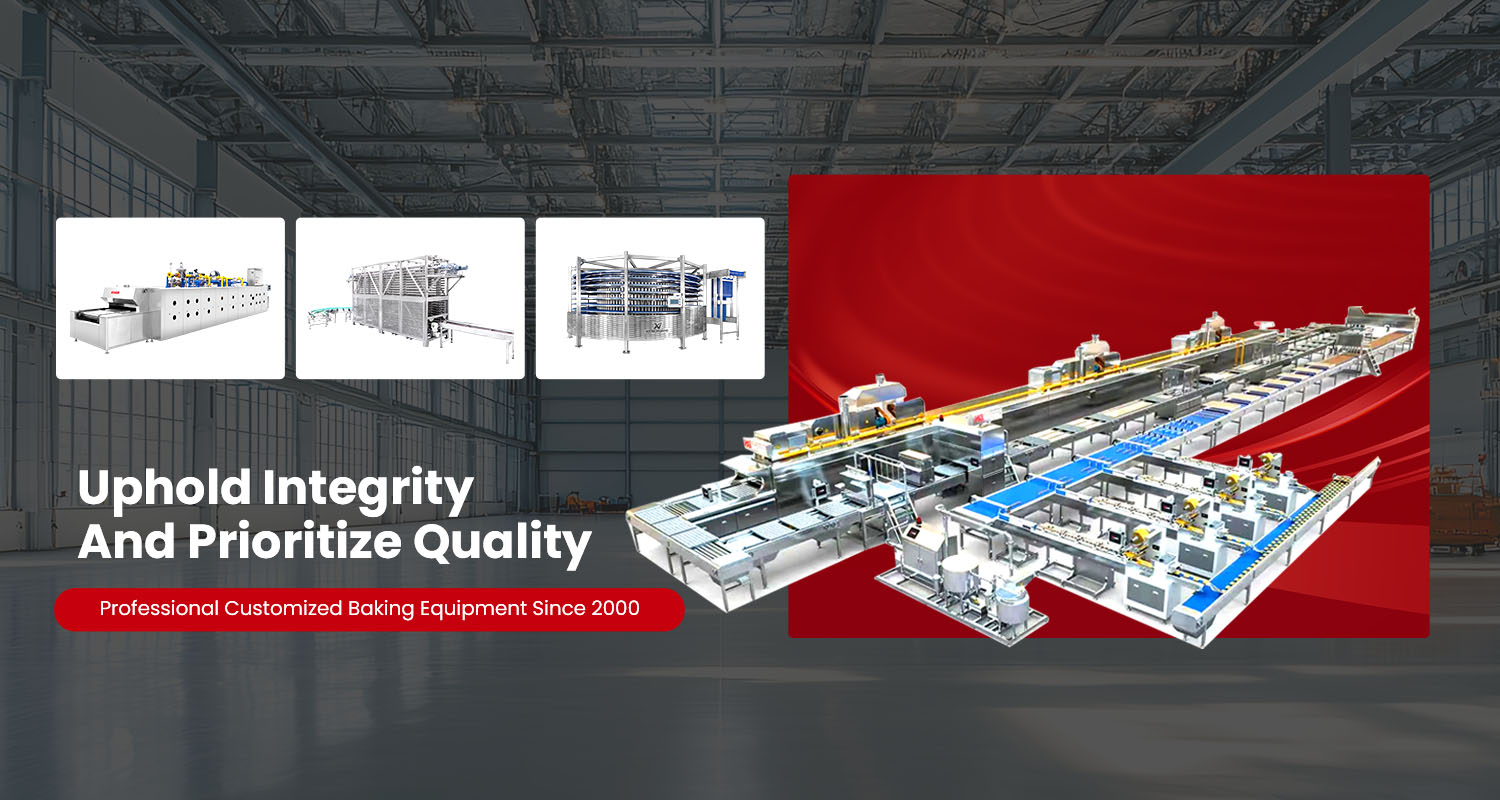
KC-SMART provides intelligent bakery equipment with customized design, manufacturing, installation, commissioning, and after-sales maintenance. Its range covers fermentation, tunnel baking, depanning, spiral cooling, sorting, and conveying equipment, supporting service planning.
Efficiency improves when equipment priority, task frequency, operator reporting, repair preparation, and records follow clear standards. Equipment lists, operating hours, fault history, sanitation methods, and production targets support a practical plan.