





How Efficient Is a Spiral Cooling Tower for Baked Goods?
In commercial baking operations, controlling the temperature of baked goods after they exit the oven is a critical step in ensuring final product quality, structural integrity, and shelf stability. Among the cooling solutions available, the Spiral Cooling Tower stands out for its efficiency, space-saving footprint, and ability to handle high production volumes. This article explores how spiral cooling towers perform in the baking industry, what efficiency benefits they offer, and how integrating advanced systems can enhance your overall production line.
What Is a spiral cooling tower?
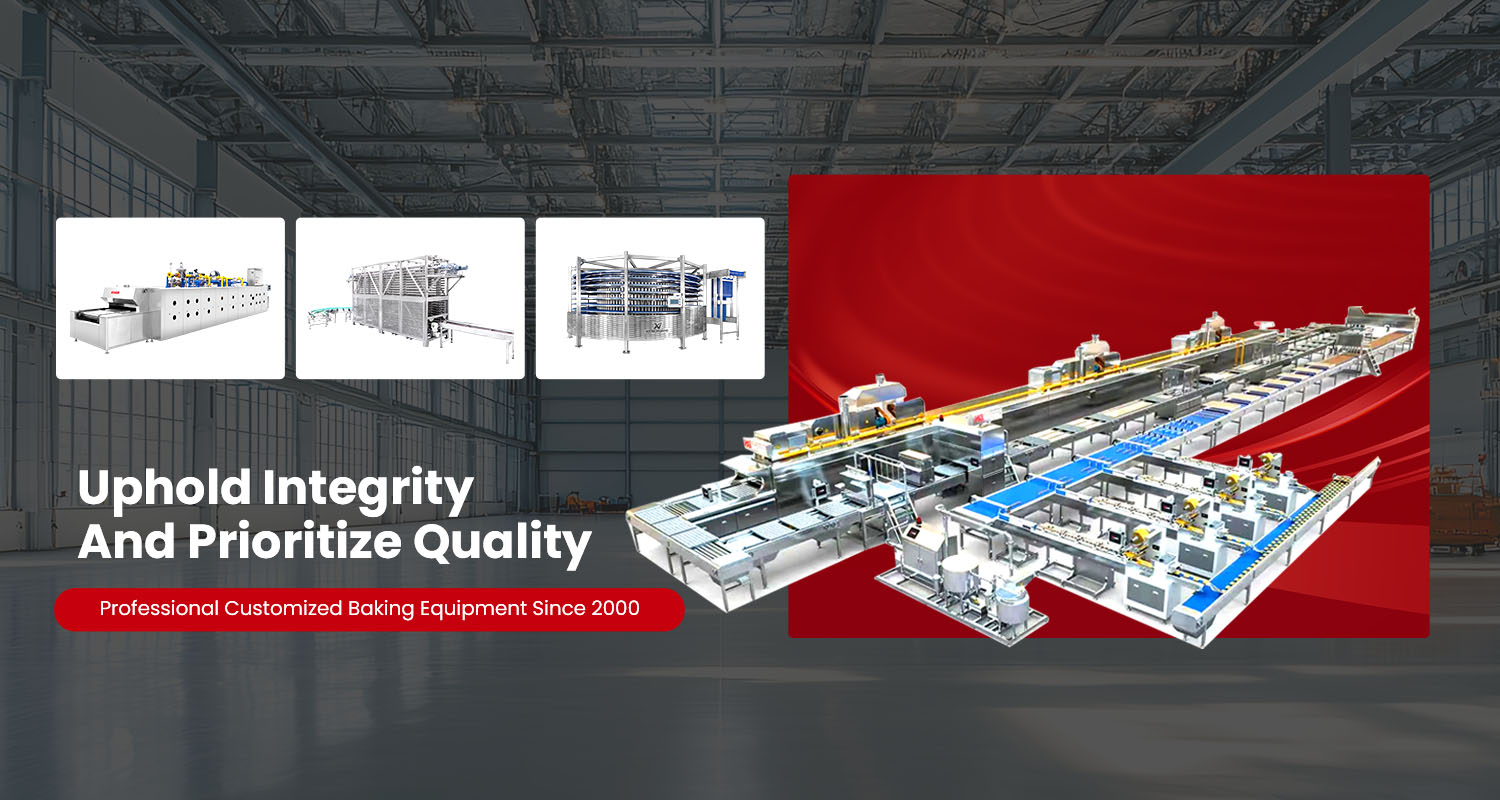
A spiral cooling tower is an industrial cooling system designed to gently and consistently lower the temperature of baked goods by guiding them through a vertical spiral conveyor. As products move along the spiral path, air circulation systems cool them either naturally or through forced convection. This approach maximizes surface exposure to cooling air and preserves product characteristics such as texture and moisture balance.
Efficiency Advantages in Bakery Cooling
1. Compact Footprint with High Throughput
Traditional horizontal cooling conveyors require long floor space, which can be a limiting factor in crowded production facilities. Spiral cooling towers use vertical space effectively, allowing for extended cooling distance without increasing the factory footprint. This vertical design means larger cooling capacity can be achieved within a smaller floor area, making it ideal for bakeries with space constraints.
2. Continuous and Uniform Cooling
A key aspect of spiral cooling tower efficiency is its continuous conveyor belt system. Baked goods follow a controlled path where cooling air is distributed evenly around each product. This reduces temperature gradients and promotes consistent cooling — a crucial factor in preventing issues such as moisture condensation, texture collapse, or premature staling.
3. Energy Optimization with Airflow Control
Modern spiral cooling systems often feature adjustable fan speeds and air volume control. These adjustments allow bakeries to fine-tune airflow to match specific products or production demands. By increasing airflow when needed and moderating it during lighter operations, spiral towers can optimize energy consumption while maintaining performance.
4. Adaptability to Cooling Needs
Spiral cooling towers can be configured for natural cooling — relying on ambient air — or with forced-air systems incorporating fans or blowers to accelerate the heat exchange process. Some designs integrate moisture control or misting systems to manage humidity around products, which helps maintain surface texture while cooling.
5. Gentle Product Handling
The spiral configuration reduces sudden transitions and minimizes mechanical stress on products. This is especially important for delicate baked goods, such as pastries or soft bread. Even cooling combined with gentle conveying helps preserve shape, appearance, and taste.
Spiral Cooling Tower Performance Table
| Feature | Benefit |
|---|---|
| Vertical Spiral Path | Saves floor space while maximizing cooling length |
| Adjustable Airflow | Maintains product quality with efficient energy use |
| Continuous Conveyor | Supports high-volume throughput |
| Forced/Natural Air Options | Matches cooling speed to product type |
| Gentle Handling | Reduces breakage and deformation during cooling |
Integrating Spiral Cooling Towers in Production Lines
In an automated bakery production line, spiral cooling towers bridge the gap between baking and packaging or further processing. Their design supports consistent quality and reduces bottlenecks by enabling products to cool at a rate synchronized with overall line speed.
For bakeries looking to upgrade their cooling systems, KC-SMART offers tailored spiral cooling solutions designed specifically for industry needs. With customizable configurations, high manufacturing standards, and full-service support including design, installation, and after-sales maintenance, KC-SMART’s spiral cooling towers help bakeries improve throughput and maintain consistent product quality.
Choosing the Right Spiral Cooling Tower
When evaluating spiral cooling tower efficiency, consider these selection criteria:
Production Volume Requirement: Ensure the system capacity matches peak production needs.
Available Space: Spiral towers compact vertical design maximizes utility in limited areas.
Product Types: Different baked goods have varying cooling requirements.
Control Features: Thermostat and airflow control enhance consistency and energy performance.
Final Thoughts
Spiral cooling towers are an efficient solution for modern bakery operations where space, throughput, and product quality are key drivers of success. Their vertical design, uniform heat dissipation, and ability to integrate into automated lines make them valuable assets for bakeries of all sizes. By choosing high-quality equipment such as those from KC-SMART, businesses can benefit from optimized cooling efficiency, reduced energy costs, and improved product outcomes.
Integrating a spiral cooling tower into your production line doesn’t just speed up the cooling process — it standardizes it, ensuring every batch exits the oven ready for the next stage with minimal quality loss.