





How to Improve Packaging Efficiency in Bakery?
Packaging performance is often limited before products reach the packer. Irregular cooling, unstable spacing, mixed orientation, and uneven arrival rates can interrupt a capable line. Bakery packaging efficiency improves when the path from oven discharge to final packing is designed as one continuous flow, with each stage delivering products in a controlled condition.
Begin With Product Condition
Products should reach packaging at the correct temperature, structure, and surface condition. Packing too early can create condensation, deform soft products, or weaken seals. Excessive waiting can reduce freshness and create unnecessary accumulation. Cooling time must match product size, formulation, package type, and target output.
Cooling discharge should provide a predictable rate. Sudden product groups force operators or machines to stop and realign items, so stable feeding is essential for an efficient food packaging line.
Standardize Spacing and Orientation
Consistent gaps allow sensors, counting devices, wrapping units, and pack-loading systems to work reliably. Products arriving sideways, touching, or overlapping can cause false detection and poor sealing positions. Guides, lane dividers, transfer belts, and sorting equipment should suit product shape and fragility.
An automated packaging system interface should control:
Product direction before entry
Distance between individual items
Lane balance when output changes
Buffer response during short downstream stops
Balance the Line Around Packing Demand
Faster upstream equipment does not automatically improve packing output. When baking, depanning, cooling, sorting, and packaging have different sustainable capacities, queues form at the weakest transfer point. Balance the line around sustainable operating speed, not one machine's maximum speed.
| Production stage | Packaging risk | Improvement action |
|---|---|---|
| Depanning | Damage or poor alignment | Match release method to the product |
| Cooling | Product remains too warm | Adjust dwell time and airflow |
| Sorting | Uneven lane distribution | Use controlled separation |
| Packing entry | Start-stop feeding | Add suitable buffering |
Reduce Changeover Losses
Different pack formats may require changes in guides, belt speed, count settings, film, and labeling. Changeovers become longer when adjustment points are unclear or previous settings are not recorded. Setup sheets, stored recipes, marked positions, and organized tooling help teams return to stable production faster.
Cleaning also affects restart time. Open-product components should be accessible and easy to reassemble.
Measure the Losses That Matter
Hourly output alone does not explain performance. Record waiting time, blocked products, misfeeds, seal rejects, manual interventions, film changes, and upstream interruptions. This shows whether the loss is inside the packer or in the product flow feeding it.
To improve bakery packaging speed, separate planned stops from micro-stops. Repeated short interruptions may consume more time than one visible fault, yet they are often missing from shift reports.
Connect Controls Across the Workflow
The practical way to optimize packaging workflow system performance is to connect machine signals and define clear responses. Upstream conveyors should slow or pause in a controlled way when capacity drops. Buffers should protect product quality rather than store unlimited quantities. Operators also need simple alarms that identify the stop source.
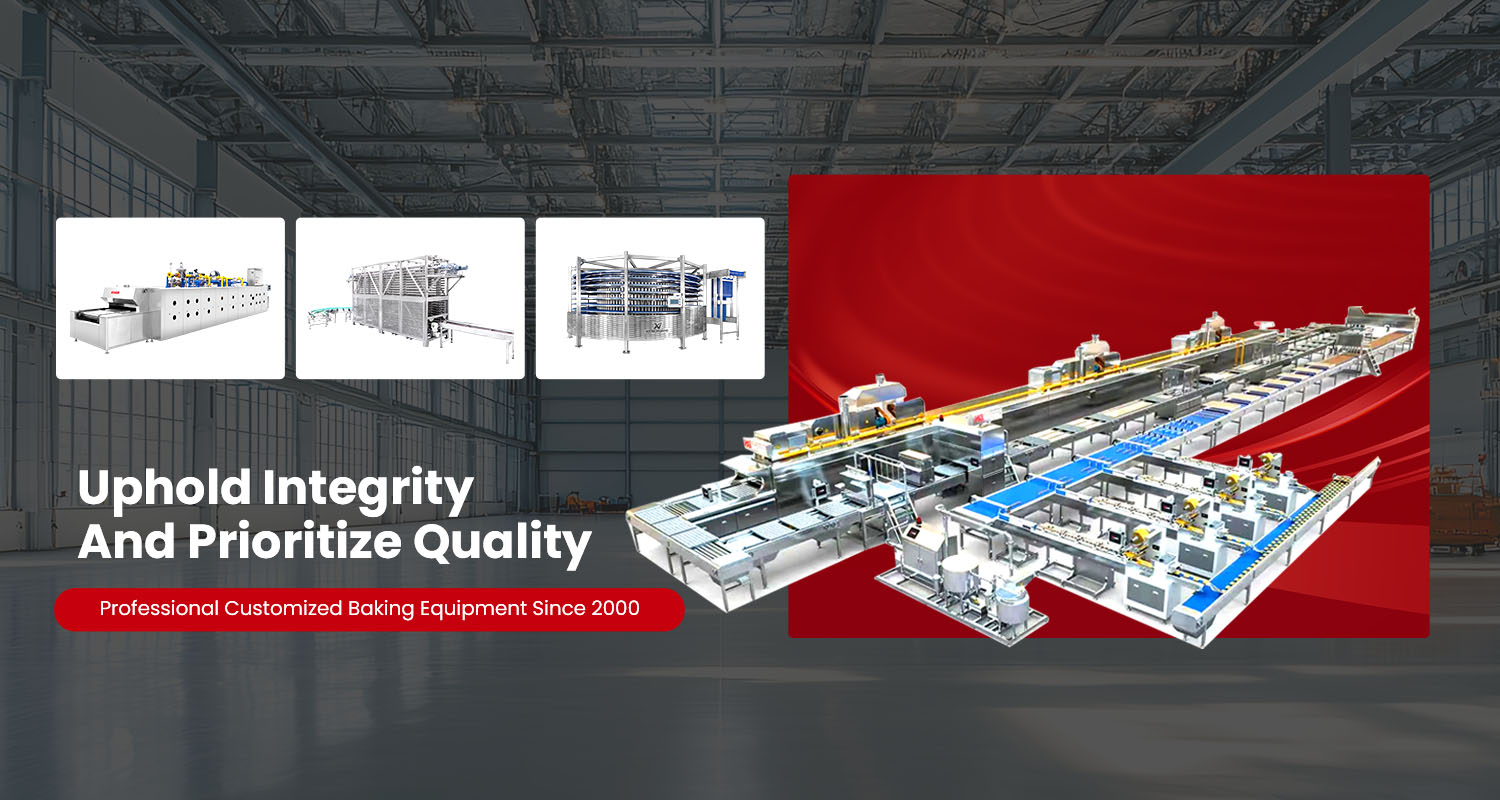
KC-SMART provides bakery equipment covering dough preparation, fermentation, baking, depanning, cooling, sorting, and supporting conveying stages. Its customized design, installation, commissioning, and maintenance services help coordinate product handling before downstream packaging.
Stable cooling, spacing, gentle transfers, balanced capacity, and repeatable changeovers support better packaging. Review product samples, pack format, target speed, lane requirements, and factory layout together.